

Areas of care
Explore treatment areas.
Browse the medical and aesthetic treatment categories coordinated through Wadi’s healthcare partner network. The information here is educational; an individual medical assessment is required to determine suitability.


Areas of care
Care, shaped around you.
Start with the area that matches your needs. Final treatment suitability is determined through medical assessment by the relevant physician and healthcare provider.


Treatment index
View all treatment areas
Rhinoplasty
Rhinoplasty reshapes the nose, and it can be done for appearance, for breathing, or for both. What is achievable depends on your nasal anatomy, skin thickness and facial proportions — not on a photograph of someone else’s result.
RhinoplastyAesthetic surgeryTummy tuck
Abdominoplasty removes excess abdominal skin and tissue and, where clinically indicated, repairs separated abdominal muscles. It is not a weight-loss procedure and it does not substitute for one.
Tummy tuckAesthetic surgeryBrazilian butt lift (BBL)
A BBL removes fat from one area of the body and transfers a portion of it to the buttocks. It is one of the aesthetic operations where safety discussion matters most, and where a proportion of the transferred fat does not survive.
Brazilian butt lift (BBL)Aesthetic surgeryBreast procedures
“Breast surgery” covers several different operations — augmentation, lift, reduction, and revision or removal of implants. They address different problems, and which one is appropriate is a clinical conclusion rather than a preference.
Breast proceduresDentistryVeneers and crowns
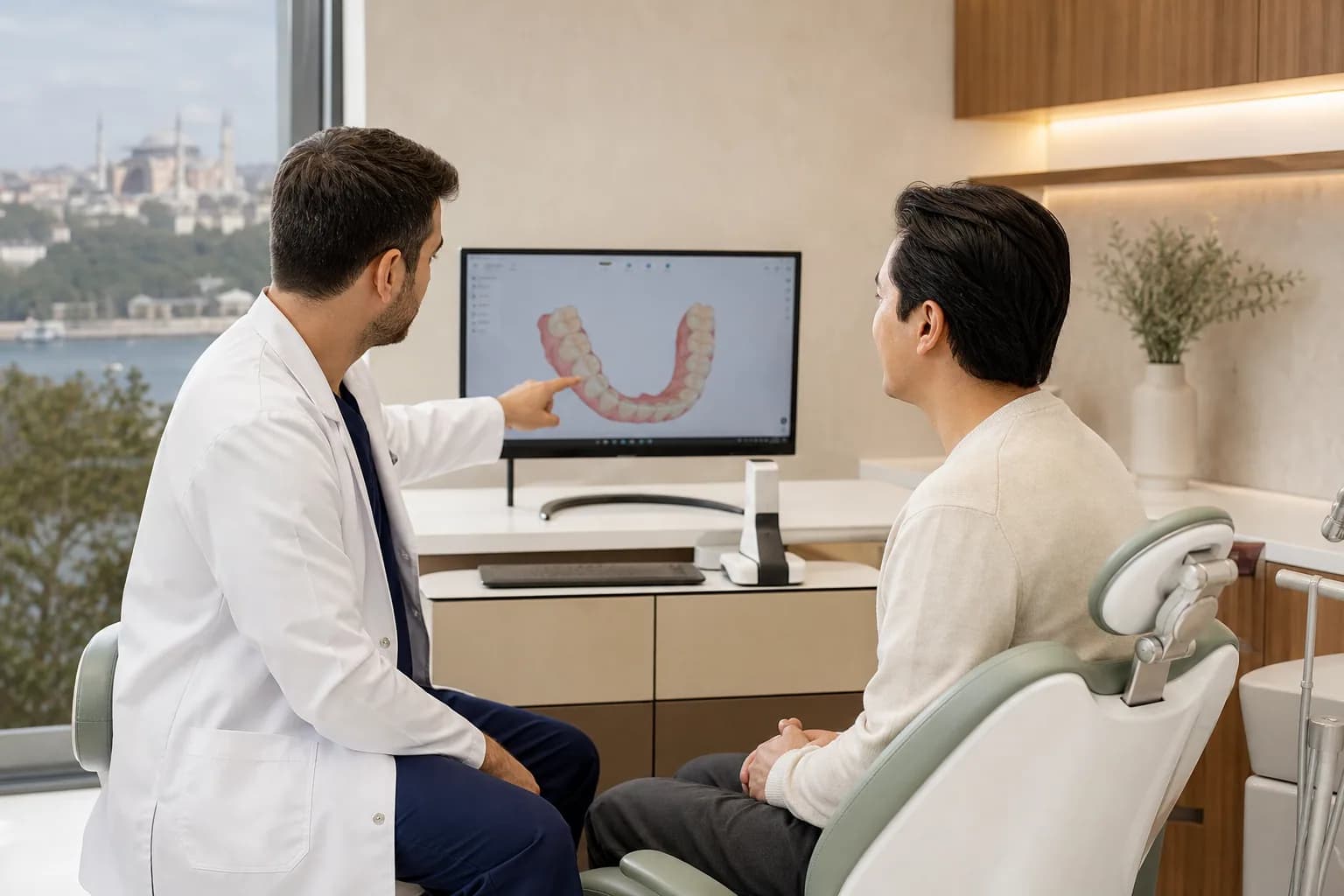
A veneer covers the front surface of a tooth; a crown covers the whole tooth. They solve different problems, remove different amounts of tooth structure, and the choice between them is a diagnosis, not a style decision.
Veneers and crownsDentistryDental implants
An implant replaces the root of a missing tooth and supports a crown, bridge or denture. Whether it is possible depends on the bone available, the health of the surrounding gums, and factors that affect healing.
Dental implantsDentistryRoot canal treatment
Root canal treatment addresses infected or inflamed pulp inside a tooth. Its purpose is to keep a natural tooth that would otherwise need removal — not to improve appearance.
Root canal treatmentDentistrySmile design
“Smile design” describes a planning process, not a single treatment. Depending on the case it may involve gum treatment, orthodontics, restorative work, whitening, or a combination — and sometimes far less than a patient expected.
Smile designCosmetic & functional gynecologyLabiaplasty
Labiaplasty reduces or reshapes the labia minora. Some people seek it for physical discomfort during activity or with clothing; others for appearance. These are different reasons and they deserve different conversations.
LabiaplastyCosmetic & functional gynecologyLabia majora procedures
Procedures involving the labia majora address volume or laxity, usually after weight change, childbirth or with age. Most people who ask about them do not need them, and an assessment should be willing to say so.
Labia majora proceduresCosmetic & functional gynecologyVaginal tightening procedures
Symptoms described as “laxity” have several possible causes, including pelvic floor weakness and prolapse. The first step is a diagnosis, because the correct treatment for one cause is the wrong treatment for another.
Vaginal tightening proceduresCosmetic & functional gynecologyVaginismus care
Vaginismus involves involuntary tightening of pelvic floor muscles that makes penetration painful or impossible. It is treatable, and the treatments with the strongest support are not surgical.
Vaginismus careCosmetic & functional gynecologyUrinary incontinence treatments
Leaking urine with coughing or exercise, sudden urgency, and a mixture of both are different problems with different treatments. No single procedure resolves all forms of incontinence.
Urinary incontinence treatmentsCosmetic & functional gynecologySexual health concerns
Difficulty with orgasm or sexual satisfaction can have physical, hormonal, medication-related, psychological and relationship components — usually more than one at once. Assessment identifies which apply before anything is treated.
Sexual health concernsOrthopedicsArthroscopic surgery
Arthroscopy lets a surgeon look inside a joint through small incisions and treat certain problems found there. Whether it helps depends entirely on what is wrong — for some conditions it is effective, for others it is not.
Arthroscopic surgeryOrthopedicsJoint replacement
Replacing a hip or knee joint is considered when pain and loss of function persist despite appropriate non-surgical treatment. The decision rests on how the joint affects your life, not on the appearance of a radiograph alone.
Joint replacementOrthopedicsSpinal curvature treatments
Spinal curvature covers a range of conditions and severities. Management runs from observation, through physiotherapy-based approaches and bracing, to surgery — and which applies depends on the diagnosis, the degree of curve, skeletal maturity and symptoms.
Spinal curvature treatmentsOrthopedicsSports medicine
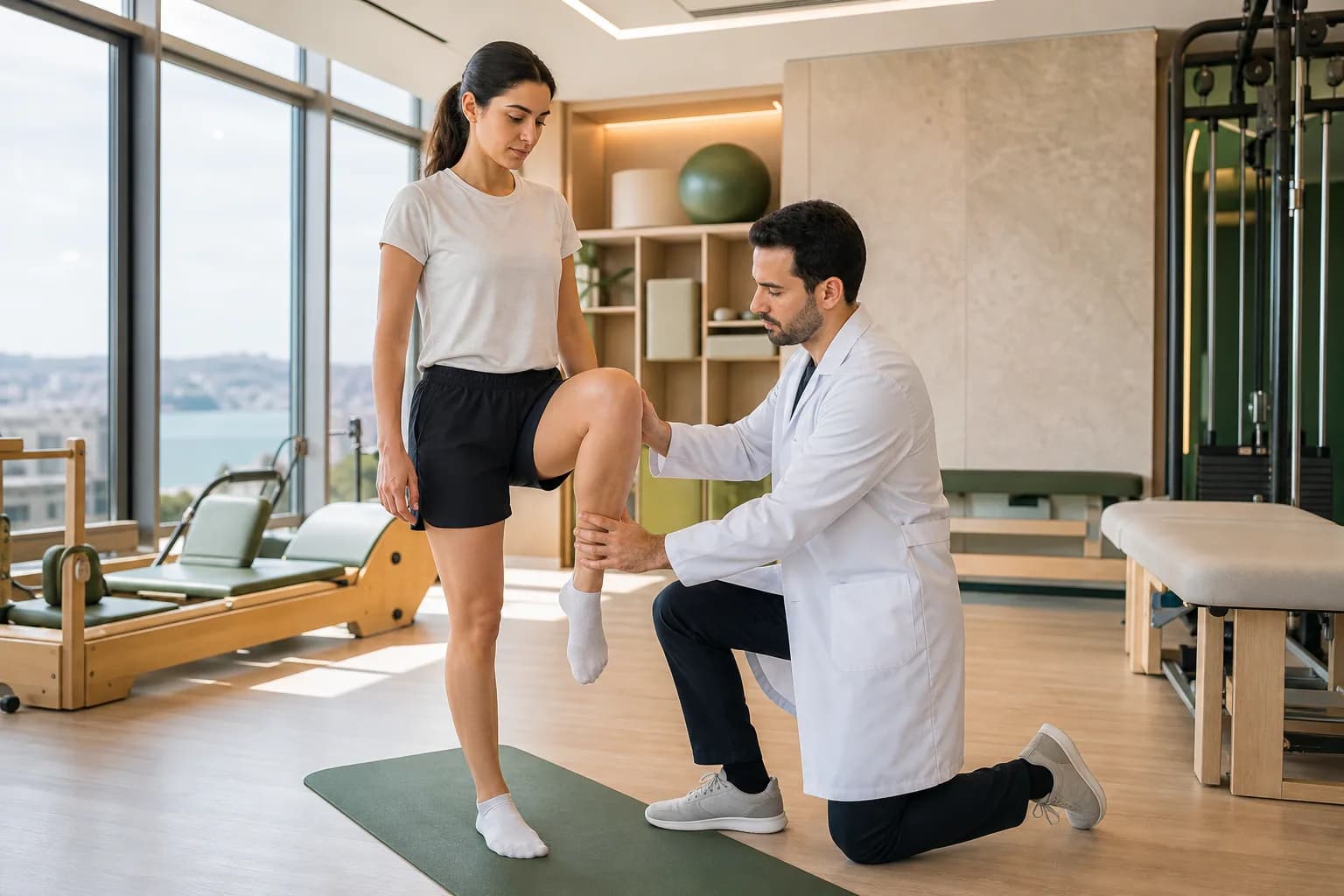
Sports medicine treats injuries to muscles, tendons, ligaments and joints, and most of that treatment is not surgical. The goal is a return to activity at a level and timescale the tissue can support.
Sports medicineOrthopedicsRegenerative medicine
This area contains a small number of applications with reasonable supporting evidence and a large number promoted well beyond it. We describe only what is legally permitted and clinically supported, and we say clearly where evidence is limited.
Regenerative medicineHair restorationHair transplantation
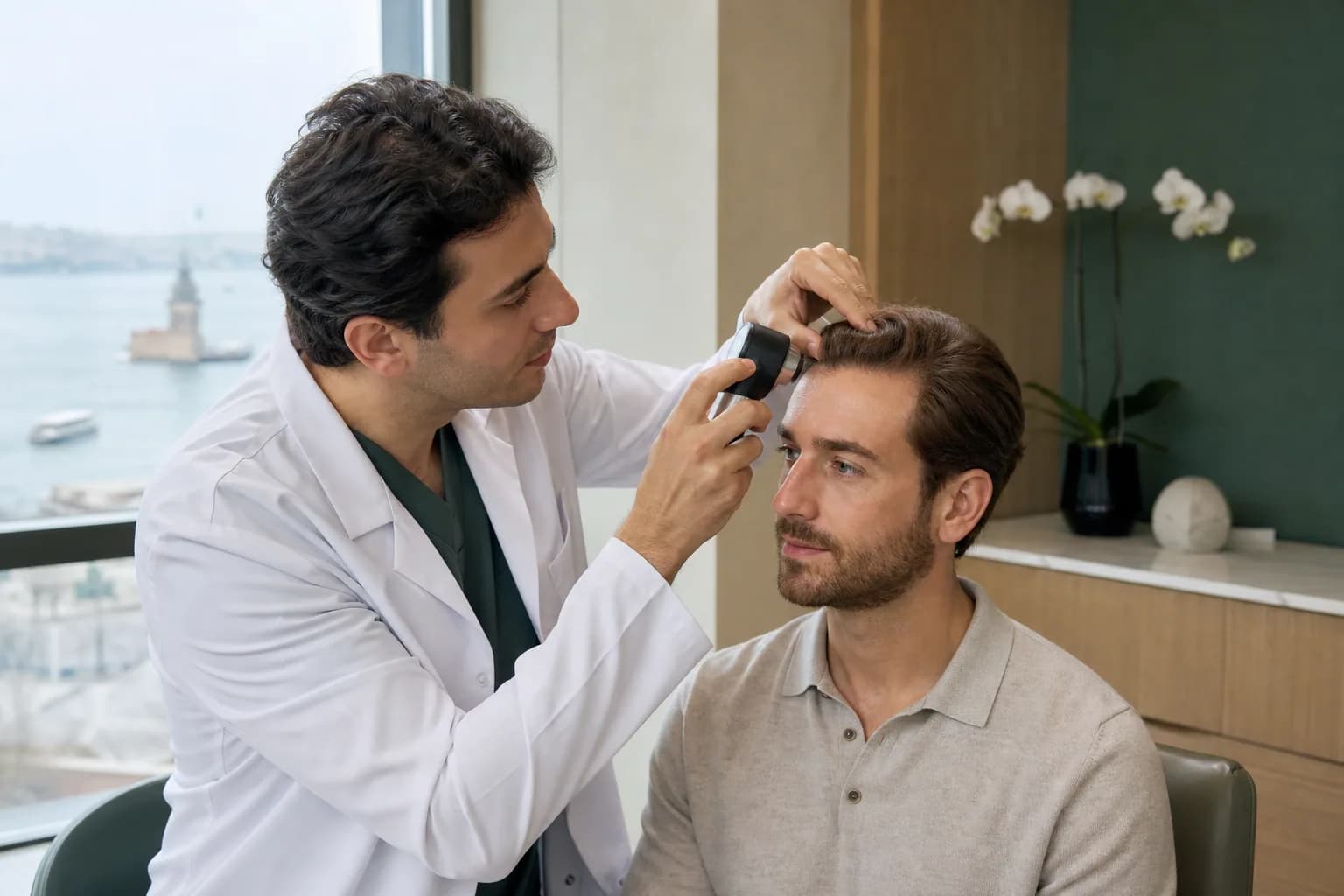
A transplant moves hair follicles from a donor area to a thinning one. It redistributes the hair you have rather than creating new hair, so the donor area sets the limit on what any plan can achieve.
Hair transplantationHealthy agingHormone assessment
Symptoms often attributed to hormones — fatigue, weight change, poor sleep, low mood, reduced libido — have many possible causes. A proper assessment identifies which apply to you, and frequently concludes that hormone therapy is not the answer.
Hormone assessmentNot sure where to start?
Describe what you are experiencing and a coordinator will explain which specialty usually handles it.
This content is for general information and does not replace an individual medical assessment. Treatment suitability, technique, expected recovery and possible risks vary by patient and must be evaluated by a qualified physician.