

Orthopedics
Arthroscopy: a technique, not a diagnosis.
Arthroscopy lets a surgeon look inside a joint through small incisions and treat certain problems found there. Whether it helps depends entirely on what is wrong — for some conditions it is effective, for others it is not.
Receive information about the coordination process and the healthcare partners available for your request.
 Orthopedics
At a glance
Quick facts
- Treatment type
- Orthopedic; surgical or non-surgical depending on diagnosis
- Typical care setting
- Licensed hospital with orthopedic and rehabilitation services
- Anaesthesia
- If applicable, determined by the surgical and anaesthesia team
- Hospital stay
- Varies by procedure and case
- Rehabilitation
- Individualized; a substantial part of the outcome
- Follow-up
- Required as advised by the treating physician
What is this treatment?
A camera and fine instruments are introduced into a joint through small incisions. It is most commonly discussed for the knee and shoulder, and also used in the hip, ankle, elbow and wrist depending on the problem.
Why might it be considered?
It is considered for specific, identified problems such as certain meniscal tears with mechanical symptoms, loose bodies, some ligament and rotator cuff procedures, and for diagnostic clarification when imaging is inconclusive.
Who may or may not be a suitable candidate?
Suitability depends on the diagnosis, symptoms, examination findings and imaging, together with your general health, and on whether appropriate non-surgical treatment has been tried where it is indicated.
Medical assessment and planning
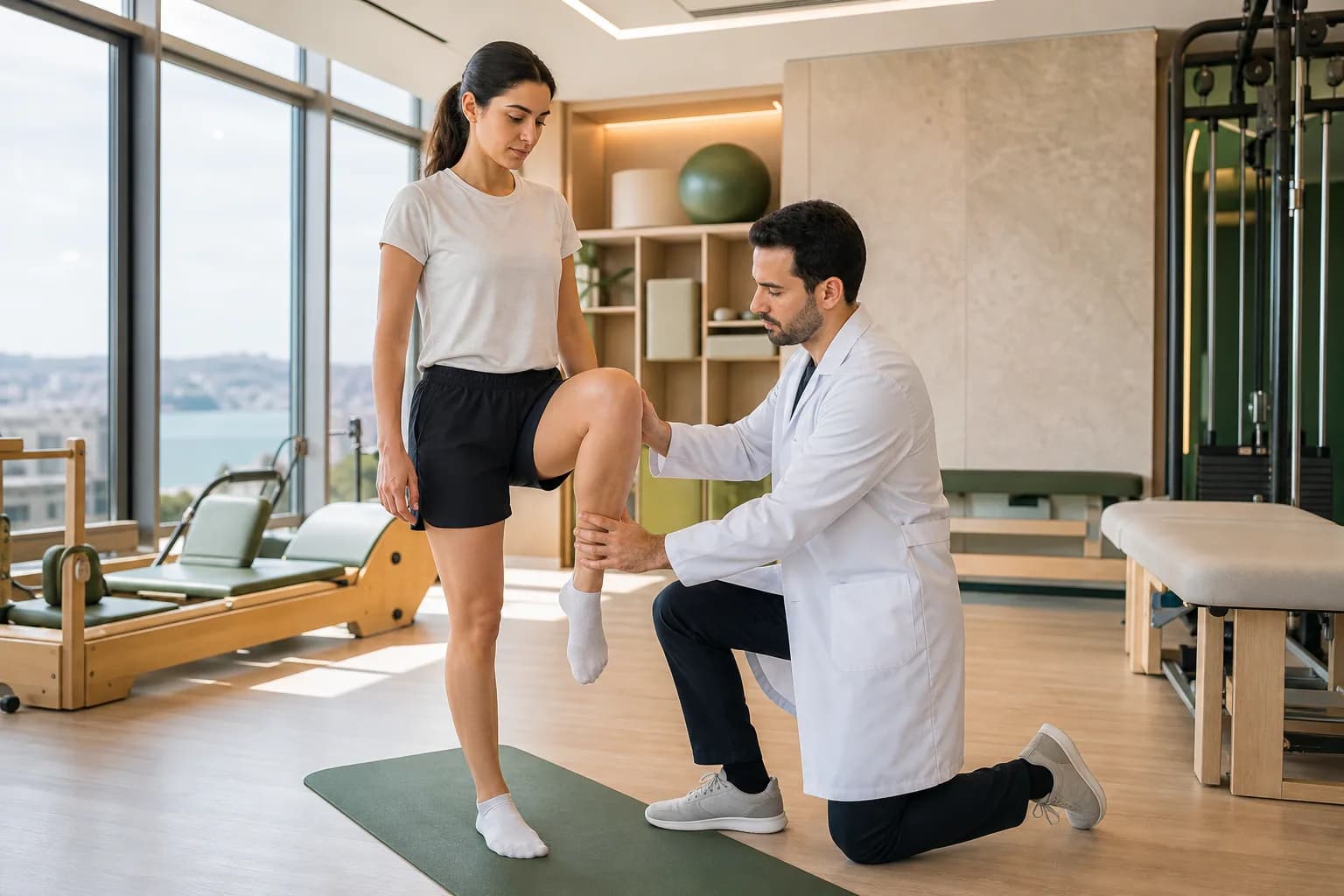
Assessment includes history, examination of the joint and the movement around it, imaging chosen to answer a specific question, and a discussion of expected functional gain.
How the treatment generally works
In broad terms: anaesthesia, small portals into the joint, inspection, and the specific procedure planned — repair, removal of loose tissue, or reconstruction. It is usually a day case or short stay, though this varies.
Preparation
Pre-operative assessment, medication review, and arrangements for crutches or a sling if required. Prehabilitation exercises are sometimes recommended and genuinely help.
Recovery and what to expect
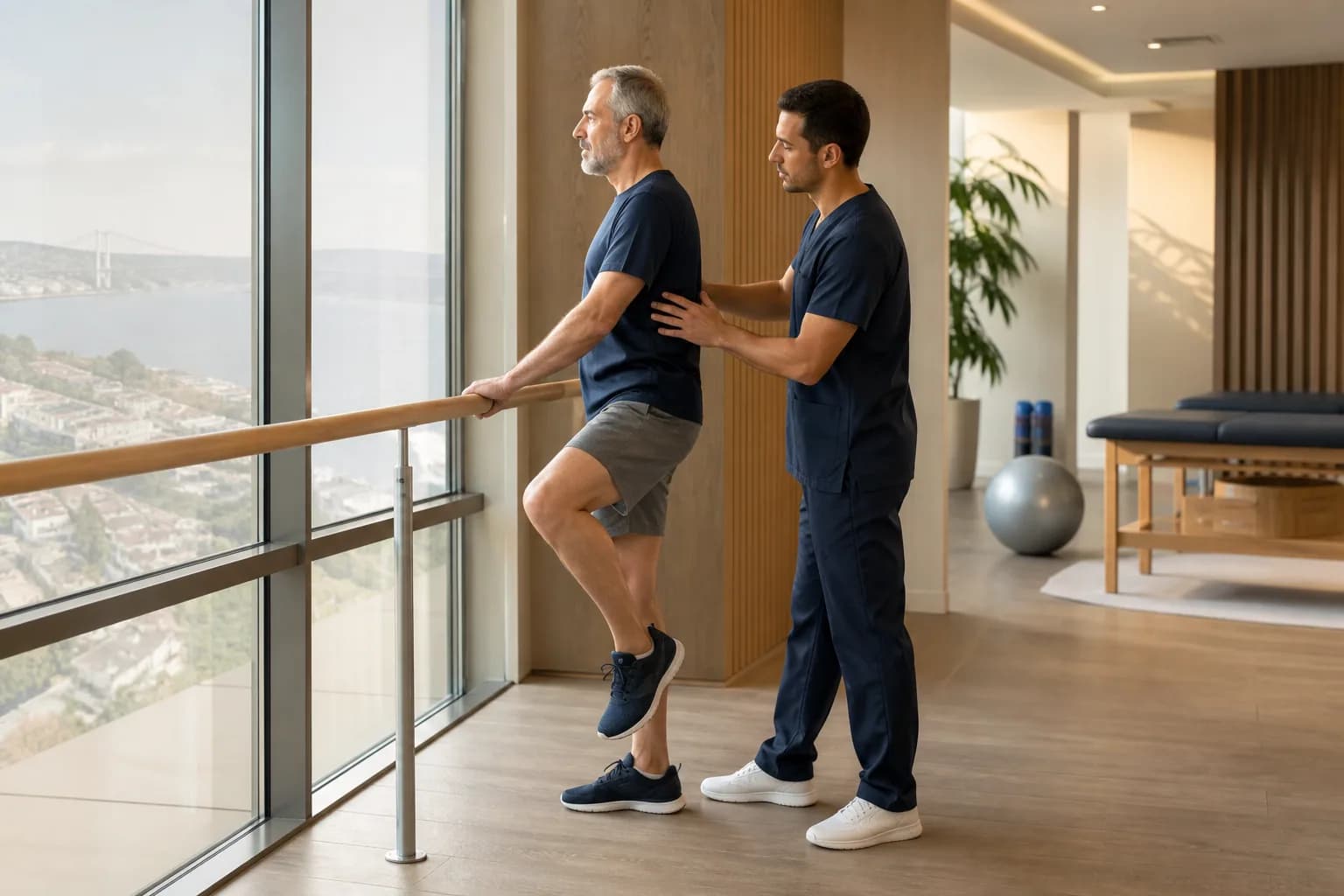
Recovery depends heavily on what was done. Diagnostic or simple procedures allow earlier movement; repairs and reconstructions have protected phases with restricted weight-bearing or movement, followed by structured physiotherapy.
Risks and important considerations
Risks include bleeding, infection, joint stiffness, blood clots, nerve or vessel injury, persistent pain, failure to relieve symptoms, and anaesthesia risk. Where a repair is performed, re-tear is possible.
Alternatives and related options
Structured physiotherapy, activity modification, weight management where relevant, and injection therapy in selected cases. For degenerative disease these are often more appropriate than arthroscopy.
International travel considerations
Rehabilitation runs for weeks after you go home, so arrange local physiotherapy before you travel. Flying after lower-limb surgery has clot-risk considerations and the timing is set by your surgeon.
How Wadi coordinates the journey
Medical assessment, diagnosis and treatment are provided by the relevant licensed healthcare institution and physician. Wadi Health Tourism coordinates the international patient journey and related intermediary services.
Common questions
Only if the pain is caused by something arthroscopy can treat. For degenerative pain without mechanical symptoms, non-surgical treatment is usually recommended first.
It depends entirely on the procedure. Some allow immediate weight-bearing; repairs and reconstructions have protected phases determined by the surgeon.
For most procedures, yes, and it is a substantial part of the result rather than an optional extra. Arrange it near home before you travel.
Related treatments
Sports medicine
Sports medicine treats injuries to muscles, tendons, ligaments and joints, and most of that treatment is not surgical. The goal is a return to activity at a level and timescale the tissue can support.
Sports medicineOrthopedicsJoint replacement
Replacing a hip or knee joint is considered when pain and loss of function persist despite appropriate non-surgical treatment. The decision rests on how the joint affects your life, not on the appearance of a radiograph alone.
Joint replacementOrthopedicsRegenerative medicine
This area contains a small number of applications with reasonable supporting evidence and a large number promoted well beyond it. We describe only what is legally permitted and clinically supported, and we say clearly where evidence is limited.
Regenerative medicineAwaiting medical review
This page has been prepared by the editorial team and is queued for review by a qualified physician. It is published for information and is not indexed until that review is complete.
Last updated September 1, 2026
This content is for general information and does not replace an individual medical assessment. Treatment suitability, technique, expected recovery and possible risks vary by patient and must be evaluated by a qualified physician.
Start with a simple conversation.
Receive information about the coordination process and the healthcare partners available for your request.
We do not publish treatment prices. Any estimate depends on an individual clinical assessment and is provided by the treating healthcare institution.